



logo

Harbingers’ Magazine is a weekly online current affairs magazine written and edited by teenagers worldwide.

harbinger | noun

har·​bin·​ger | \ˈhär-bən-jər\

1. one that initiates a major change: a person or thing that originates or helps open up a new activity, method, or technology; pioneer.

2. something that foreshadows a future event : something that gives an anticipatory sign of what is to come.

cookie_image

We and our partners may store and access personal data such as cookies, device identifiers or other similar technologies on your device and process such data to personalise content and ads, provide social media features and analyse our traffic.

2 January 2026

Don’t tell me to leave my country – I want to stay and fight for it

author_bio
Mahwa in Afghanistan

Article link copied.

slide image

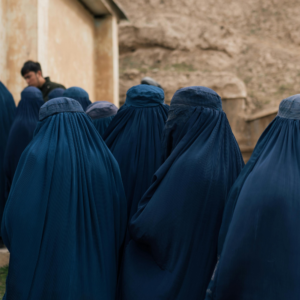
'To remain in Afghanistan is often seen as a last resort.'

Picture by: Faruk Tokluoğlu | Alamy

Every time another friend boards a plane to flee Afghanistan, my heart aches – not because I envy their departure, but because their absence adds weight to the burden, we, who stay, continue to carry.

Each empty seat in a classroom, each silent voice in the community is a reminder of the pressure to leave.

“You’re smart, you have potential – why don’t you just go?” I hear this constantly from well-meaning friends, aid workers, journalists, even family abroad. But I refuse to go. Not because I don’t see the danger – I do. I stay because I still believe in this country, even when the rest of the world no longer does.

To remain in Afghanistan is often seen as a last resort. The global narrative glorifies those who escape, treating exile as the only rational or honourable path for the educated and ambitious. But that story is incomplete. It ignores the courage, the resistance and the deep-rooted love that drives many of us to stay.

We are not simply trapped. We are choosing to resist – not by leaving, but by living. Staying is not a sign of failure. It is an act of defiance. It is refusing to let our homeland be defined only by crisis and collapse.

Many young Afghans are rebuilding civil society under the radar – by teaching girls in underground schools, creating art as protest, organising quietly in communities, and keeping hope alive where it is most fragile. These are not passive gestures. They are powerful forms of resistance.

Of course, I don’t judge those who leave. For many, departureis the only way to survive. But I ask the world to stop treating that path as the only legitimate one.

Exilehas its own wounds: the trauma of dislocation, the pain of cultural loss, the constant ache of being unrooted. Friends who fled now live in safe countries, but carry a silent sorrow. They speak of guilt, depression and of feeling like ghosts in someone else’s story. Safety, yes – but at what emotional cost?

What’s missing in the international conversation is respect for those who remain in Afghanistan. Our choice is rarely celebrated. It is often dismissed or misunderstood. But staying is not a weakness. It is strength.

It is waking up every day under uncertain skies and deciding to plant seeds anyway. It is organising small acts of change in forgotten corners. It is believing, stubbornly, that our future is still here – not in exile, but in resistance.

With admission programmes shrinking and international attention fading, staying is becoming more difficult than ever. But for some of us, that only deepens our resolve. I don’t want to be praised for surviving. I want to be acknowledged for choosing to stay – because that too is a form of bravery.

Don’t tell me to leave. Help me fight in the ways I still can – by writing, by organising, by refusing to disappear. Afghanistan is not just where I was born. It is the country I am still trying to build.

Written by:

author_bio

Mahwa

Afghanistan

Contributor

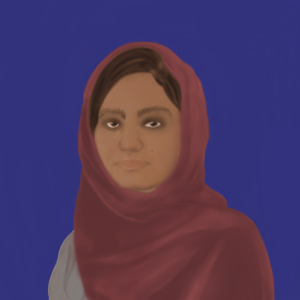
Illustration by Yuliia Muliar

Mahwa, born in 2009, is currently studying journalism through the project from Harbingers’ Magazine.

She is very interested in the subject and wishes to become a journalist in the future. In her free time, she enjoys reading and writing.

Mahwa speaks English, Pashto and Dari.

Due to security concerns the author’s image and surname have been omitted

opinion

🌍 Join the World's Youngest Newsroom—Create a Free Account

Sign up to save your favourite articles, get personalised recommendations, and stay informed about stories that Gen Z worldwide actually care about. Plus, subscribe to our newsletter for the latest stories delivered straight to your inbox. 📲

Login/Register