



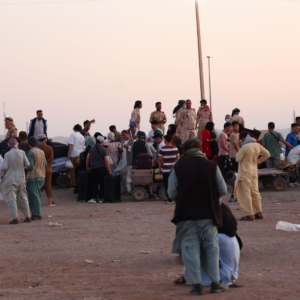
17-year-old Hadiya from the Afghanistan Newsroom explains why refugees choose to return – and what awaits them
Every year, thousands of Afghan refugees make the difficult decision to return home to Afghanistan. According to UNHCR, the United Nations refugee agency, more than 1.6 million Afghans returned from neighbouring countries in 2024 alone, many to uncertain futures and fragile communities. Their journey back is not just physical – it’s emotional, driven by a longing for identity and belonging.
Life in exile can offer safety, but rarely a sense of home. After decades abroad, many Afghans find themselves torn between comfort and connection. “I lived in Pakistan for nearly 20 years,” says Ahmad*, a 38-year-old returnee. “We had healthcare and education there, but I never felt I belonged. Afghanistan is where my heart is, even if life is harder.”
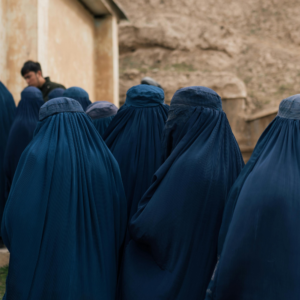
This feeling is shared by many. Returning means reclaiming dignity and roots, even when the price is uncertainty. Yet the homeland they return to is far from easy. Years of conflict and poverty have weakened basic services. Many find no homes, no jobs and limited aid.
“When we returned, I was shocked by how difficult life was,” explains Ahmad. “We had no house, no job opportunities, and my children couldn’t enroll in school due to lack of documentation. It feels like starting from zero.”
Women and children suffer most, facing health challenges, lack of education and the lingering trauma of displacement. Fatima*, a 29-year-old mother of three, says, “My children went to school in Pakistan. Here, every day is a struggle – but I want them to know their country.”
So, if life abroad was safer, why do people decide to return? For many, it’s about belonging – to live among their people, speak their language and rebuild what was lost.
Others face growing pressure in host countries, where job opportunities and refugee programmes have declined. In some cases, families were urged to leave as assistance and legal protections were reduced.
Still, hope for a meaningful life in their homeland pushes them to come back, even when stability remains distant.
Afghanistan’s government and aid organisations have launched reintegration programmes, but most are underfunded and limited. Job creation, housing and education remain promises more than reality.
Harbingers’ Weekly Brief
Subscribe to the Harbingers’ Weekly Brief, a newsletter written by the editorial board of Harbingers’ Magazine, the world’s youngest newsroom, delivered to your inbox every Monday morning.
![author_bio]()
![author_bio]()


Some initiatives once had international support, but funding has dropped sharply in recent years. Without steady investment, the goal of sustainable return stays out of reach. NGOs continue to help by resolving land disputes and supporting local communities, yet far more is needed.
The international community cannot step back. Agencies such as UNHCR and the International Organization for Migration (IOM) must maintain long-term engagement rather than short-term aid. Political stability, regional cooperation and consistent funding are essential to ensure that returns are voluntary, safe and lasting.
View this post on Instagram
The return of Afghan refugees is both fragile and inspiring. It shows that the desire to belong can be stronger than the comfort of safety. If returnees are met with compassion and sustained support, they can become a source of renewal for Afghanistan, turning years of exile into a new beginning at home.
*Names have been changed to protect identities.
Edited by:

© 2026 The Oxford School for the Future