


16-year-old Maria explains how the US-Israel war in Iran is reshaping Russia’s war economy
The US and Israeli attack on Iran at the end of February resulted in an escalation in conflict across the Middle East region.
This triggered a sharp increase in global energy prices, and oil markets became unstable. Countries such as China, India and Turkey started buying more oil from Russia, increasing its export revenues. This raises the question: does the oil crisis benefit Russia’s war economy?
This article examines how the war has affected oil prices; the impact on the Russian economy; and whether or not Iran will be able to continue its support for Russia.
Harbingers’ Weekly Brief
Subscribe to the Harbingers’ Weekly Brief, a newsletter written by the editorial board of Harbingers’ Magazine, the world’s youngest newsroom, delivered to your inbox every Monday morning.
![slide image]()
![author_bio]()
![author_bio]()


What is happening in the Middle East now?
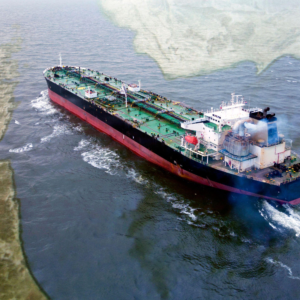
After the initial strikes on 28 February, the Middle East experienced a rise in military tension and economic disruption. Iran responded to the US-Israel attacks by restricting traffic through the Strait of Hormuz, through which 20% of global oil supply passes.
The US then set up a naval blockade of Iranian ports, which severely limited Tehran’s oil and liquified natural gas (LNG) shipments.
The disruption has removed 10–12 million barrels of oil per day from global supply, making it the largest energy crisis in history. Additionally, nearly 20% of LNG production has been affected, further increasing pressure on energy markets.
The whole region remains unstable, with continuous military threats, restricted shipping routes and delayed diplomatic talks. Even without full-scale war, the economic effect is already global because it impacts fuel prices, inflation and trade.
As of early May 2026, markets continue to be unstable due to high tensions with no confirmed diplomatic breakthrough.
How has the war impacted oil prices?
Oil prices reacted to the conflict immediately. Prices were below $70 per barrel before the initial attacks, yet this changed when the Strait was closed off, causing prices to surge to over $100 per barrel.
More recent data shows Brent crude – a global benchmark for oil prices – reaching around $107 per barrel, with weekly increases of up to 17%.
Oil markets are highly sensitive, so even the threat of disruption is enough to raise prices. This creates a global ripple effect and increases costs for countries worldwide and forces them to find new suppliers.
This effect is especially prominent in Asian countries such as Sri Lanka, which are heavily dependent on imported fuel. For lower-income households, even marginal price increases can have devastating effects on the costs of living and welfare.
How did oil price changes help Russia’s economy?
Russia is one of the key beneficiaries from this whole crisis. As oil prices increased, so did Russia’s income from oil exports.
The country’s oil tax revenues increased to around $9bn in April 2026, roughly double the level recorded the previous month, before the Middle East conflict pushed up oil prices.
The price of Urals crude, Russia’s main export blend, also rose by 67%, boosting profit margins. At the same time, global demand for Russian oil increased as countries looked for alternatives to Middle Eastern supplies.
Sanctions on Russia’s oil and gas exports have been alleviated to reduce the impact of the global energy supply shock. For example, the US issued temporary waivers allowing countries like India to continue buying Russian oil.
Because of higher prices coupled with continued demand, Russia is earning billions in additional revenue. Much of it may be used to fund government spending, including on its continued war against Ukraine.
View this post on Instagram
Will Iran continue to supply drones to Russia?
Tehran has been providing support and military equipment to Russia ever since its full-scale invasion of Ukraine in 2022. In particular, Iran has been a crucial supplier of drones, specifically Shahed-type drones that have been frequently used in attacks on Ukrainian cities and infrastructure.
The current conflict may limit this support. After facing airstrikes from Israel and the US, Iran is now focused more on its own defence, rather than helping out its ally. However, the effect of this on Russia is still relatively small compared to the economic benefits it gains from higher oil prices. So, while Moscow may lose some military supplies, it gains increased financial resources.
How has Western support for Ukraine changed?

The conflict also affects Ukraine indirectly by changing the prioritiesof the West. The US and its allies are now managing two major crises at once, which has proven to be difficult. Now, both attention and financial resources are split.
Military equipment is limited, especially air defence systems and missiles, and some of it may be redirectedto the Middle East. Also, rising energy prices add to inflation in Western countries, which makes continued financial support for Ukraine more politically difficult.
Nonetheless, this does not mean that support will stop: many of Ukraine’s allies have continued to provide help even in times of hardship. However, it has been slower and less consistent, which overall strategically benefits Russia.

Edited by:

© 2026 The Oxford School for the Future