



16-year-old Samantha talks to teenagers in the Philippines about brands’ use of feminist slogans
Have you seen any of these slogans before? She’s a Lady. #ALL GIRLS. Girl Boss Behavior. Maybe on a gigantic billboard or glowing on your screen as you scroll in bed, lit by that striking blue light? Or on a skimpy T-shirt?
The practice of promoting a product through messages about female empowerment – commonly known as ‘femvertising’ – has become a major way that brands try to attract the interest of many Gen Z females, especially in fast-fashion campaigns. For example, extremely thin models are shown wearing baby tees with so-called “feminist” slogans printed on them, like the examples above.
Brands that use femvertising
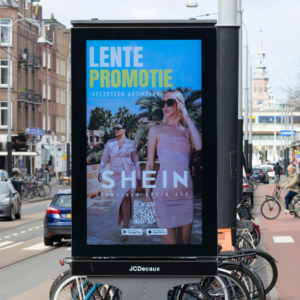
In 2021, Public Eye exposed the unethical business practices of Chinese clothing giant Shein, which is very popular with teenagers across the world for its low prices and ultra-fast fashion.
View this post on Instagram

Visiting “Shein Village” in Guangzhou in southern China, they found that many factories that supply Shein provide unsafe working conditions, including a lack of emergency exits and windows with bars. Workers are also expected to work a total of 11–12 hours per day, with only one day off per month, in contravention of Chinese labour laws.
Through Shein’s femvertising, Gen Z women are being conditioned to wear “Girl Power” shirts made by underpaid and exploited women.
Similarly, Dove’s “Real Beauty” campaign, which puts an emphasis on depicting beauty without artifice, has been criticisedfor various reasons, including the fact that its owner, consumer goods giant Unilever, also owns Axe. This men’s deodorant brand has been criticised for objectifying women in its ads.
Also, environmental campaigning organisation Greenpeace has slammedDove for polluting rivers in the Global South with its use of billions of single-use plastic sachets.
More than a pretty message
Female empowerment slogans alone are not feminism. Many Gen Z girls are turning a critical eye toward what happens behind the scenes. They’re not just buying the message – they’re examining the makers. Who’s sitting at the decision-making table? Are women given space to lead, innovate and influence?
Ryleigh Lemsic, a 17-year-old student journalist, told Harbingers’: “A company that is untrue about their beliefs is one that will do anything to make a profit, and it will insert itself into every other aspect of society to do that, as long as people buy from it.”
“I don’t want to support a brand that exploits me or wouldn’t put my best interests first, and I’m sure many other people would agree. That's why it’s incredibly important for me to support brands that are true to their feminist messages.”
Quality matters
In an age where performative activism runs rampant and social causes are often co-opted for profit, brands that understand women and girls’ desires and needs on a personal, social and cultural level will have broad appeal across society.
Gen Z girls can cut through the noise to determine whether a brand’s support for feminism is genuine or just another marketing tactic.
Harbingers’ spoke to Elijah Dizon, an 18-year-old student in Manila, who believes that consumers can see through the ‘real’ intentions of brands by looking at the quality of their products.
“An example of this would be local [Filipino] make-up brands. Some brands understand that women want packaging that isn’t bulky and doesn’t leak,” Elijah explained.
Harbingers’ Weekly Brief
Subscribe to the Harbingers’ Weekly Brief, a newsletter written by the editorial board of Harbingers’ Magazine, the world’s youngest newsroom, delivered to your inbox every Monday morning.
![author_bio]()
![author_bio]()


Equal pay
According to UN Women, the gender pay gap is still a significant problem, with women globally earning 20% less than their male counterparts. However, many companies that use women’s rights as a marketing ploy don’t make real policy changes that will actually benefit their women workers – such as equal pay, regulations on maternity leave, and ethical supply chains.
No longer willing to stay silent, Gen Z girls are demanding that brands improve the pay gap and women’s representation, consistently asking who really benefits from “women empowerment” campaigns.
Hailey Tan, a 17-year-old student, told Harbingers’: “I think brands should start by ensuring fair wages, safe working conditions and labour rights for all workers, especially women.”
She added: “They should work to increase the representation of women and other marginalised groups in their marketing and product development. Then, they can donate a portion of their profits to organisations that support feminist causes.”

Edited by:

© 2026 The Oxford School for the Future