


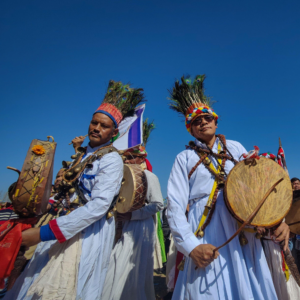
14-year-old Kalpana B.K. from the Nepali Newsroom explores the culture of the Tamang people in Nepal
The constitution of Nepal recognises Nepal as a multicultural and multilingual country, as there are many ethnic communities living and practicing their own unique traditions and cultures. Among them is the Tamang.
One of the largest Indigenous communities in the country, they make up 5.62% of Nepal’s population (1,639,866 people), and 4.88% speak the Tamang language, according to the latest census from 2021.
About 87% are Buddhist, 8% are Hindu and 3% are Christian. The Tamang follow the Chinese lunar calendar of 12 cycles. There are 18 castes in Tamang.

Paru Lo Tamang, a school teacher in a government school in Budhanilkantha, said: “Their culture includes celebrating festivals like Losar (Tibetan New Year), dancing and music. They are skilled at inventing and metalworking.”
“Tamang people wear colourful clothes and live in homes made of wood and stone in the mountains. Family and community are very important to them, and they enjoy celebrating festivals together,” she added.
Another teacher, Santu Lama, said that the Tamang people work as agriculturalists and herders, and that their lives are focused on family, folklore and helping each other.
Rek Man Ghale from the Mountain Children Home emphasised that the Tamang people are known for their friendliness and kind-heartedness and warm welcometo visitors.
Here are a couple of their most important festivals:
Ghewa
The Ghewa ceremony is an important death ritual to help the soul of the deceased towards a favourable rebirth. It is usually conducted between seven and 49 days after the death and is often held in the home of the deceased or in a communal space where family, friends and community members gather to perform the rituals.
The rituals involve various rites and prayers led by lamas (Buddhist priests). Offerings include food, drinks, incense and other symbolic items, which are believed to assist the deceased on their journey.
Sonam Lhosar
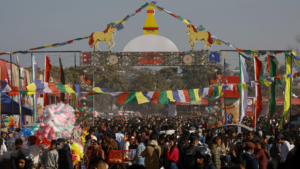
Sonam Lhosar is a significant festival that marks the beginning of the Tamang New Year and is a time for family gatherings, feasts and cultural performances. The term ‘lho’ means the year, ‘sar’ means new or fresh, and ‘sonam’ specifically refers to the Tamang people.
Sonam Lhosar is celebrated for about two weeks in winter. Rice cakes, momos (dumplings) and barley wine are the most popular dishes, and they are believed to bring good luck and prosperity for the coming year.
Lhosar is also celebrated in Tibet, but on a different date. It is associated with Tibetan Buddhism, but has ancient roots dating back to the pre-Buddhist religion of Bön.
Harbingers’ Weekly Brief
Subscribe to the Harbingers’ Weekly Brief, a newsletter written by the editorial board of Harbingers’ Magazine, the world’s youngest newsroom, delivered to your inbox every Monday morning.
![author_bio]()
![author_bio]()


Other ceremonies
The Tamang people also take part in other festivals and ceremonies that are not unique to their culture but celebrated across Nepal.
Pasni, also known as Bhat Khuwai, is a Hindu weaning ceremony. It is a significant milestone, usually held when the child is around six months old, and is celebrated with family. Family members prepare special foods, particularly rice, for the ceremony.
The Chewar ceremony occurs when a boy’s head is shaved for the first time, usually between the ages of three and seven. Buddhists in Nepal commonly perform hair-shaving ceremonies. For example, novice monks shave their heads before they are ordained as monks.
The Mast Yendol ceremony, also known as Gunyo Cholo,is common throughout Nepal, not just in the Tamang community. It symbolises a girl’s transition into womanhood, and is usually performed around the age of seven or eight, before the first menstruation cycle.
It involves wearing traditional dress – a cholo (blouse) and sari (skirt) – and a flower garland. Girls receive blessings and gifts from family and friends.
Buddha Jayanti commemorates the birthday of Lord Buddha and is celebrated by both Buddhists and Hindus. It is held on the full moon in May, when people go to temples to listen to monks and offer flowers.
Edited by:
© 2026 The Oxford School for the Future